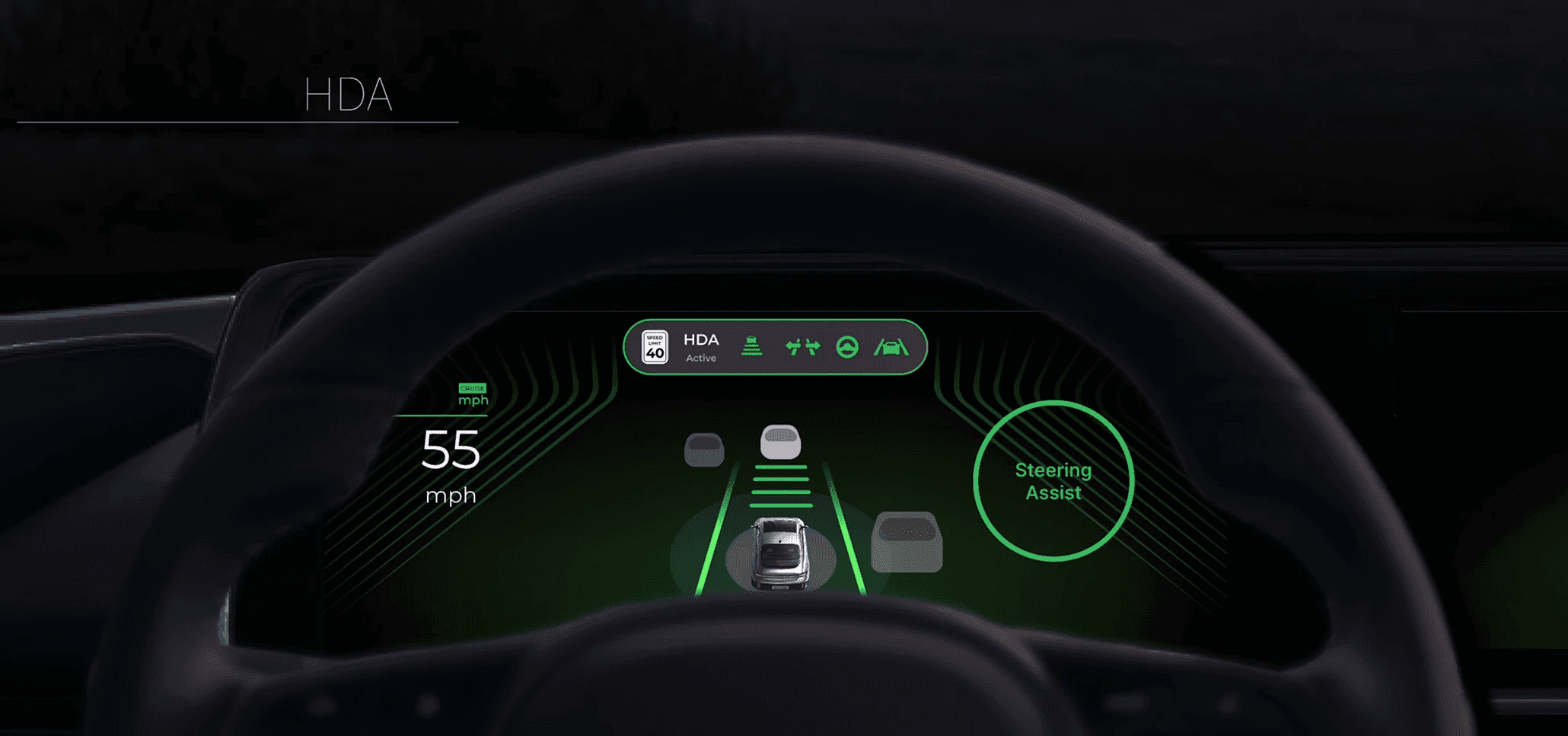
TikTok Pay KYC — scaled across markets
KYC across Vietnam, Malaysia, Indonesia, and the US for TikTok Pay, Shop, and Live. Vietnam new‑user completion 70% → 90%. Vendor docking SOP cut integration cycles by ~40%.
- Role
- Product Designer (Intern)
- Period
- Jun — Sep 2025
- Client
- TikTok · PIPO UED
- Themes
- Fintech · Compliance · Multi-region · Design System
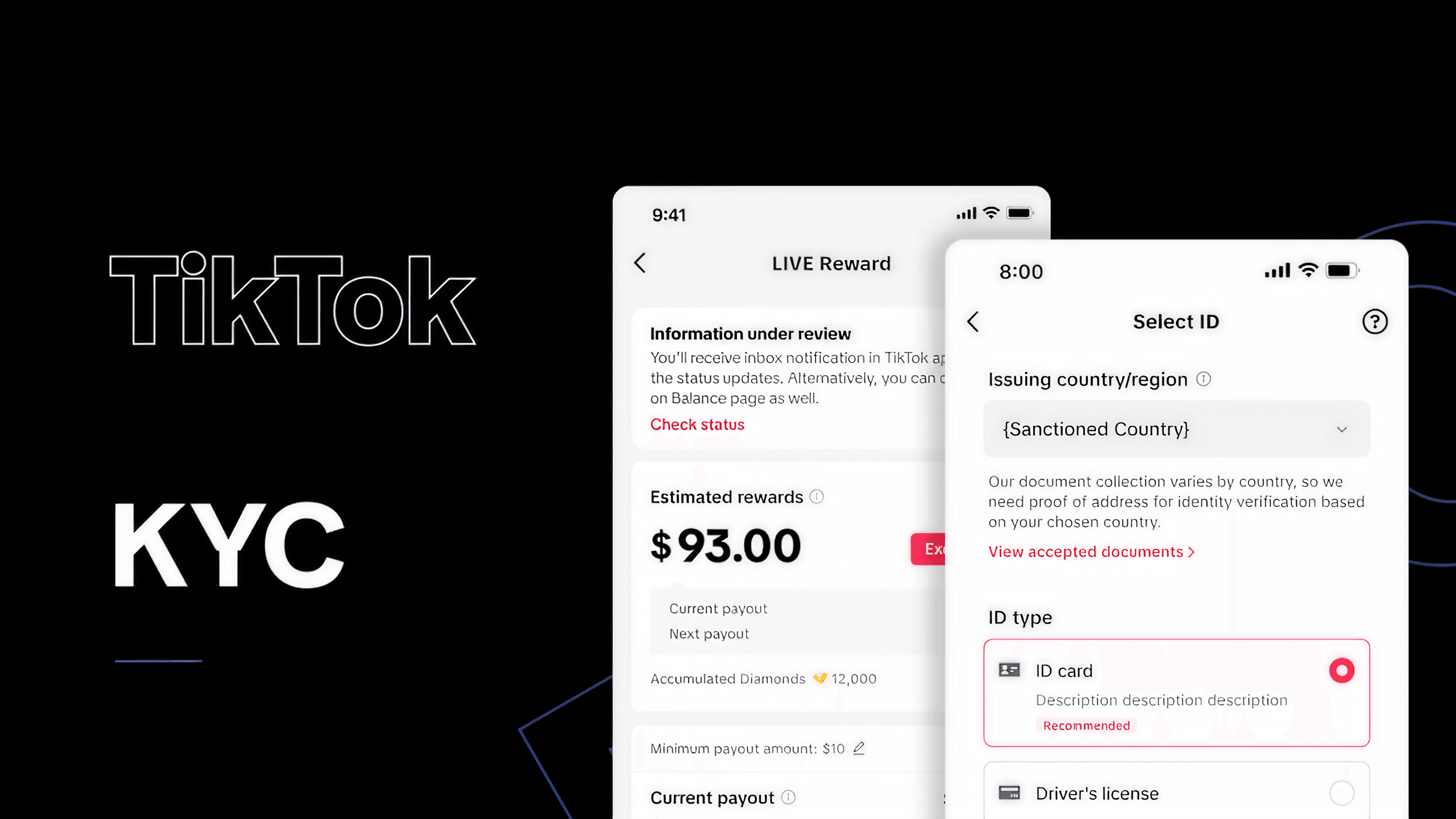
What KYC is
Regulatory gate before any payment can run. Break it, users drop off. Loosen it, the regulator does.
Identity verification
Local ID + selfie + liveness check, per market.
Compliance contract
Each regulator audits the flow, the data, the SDK.
4 frameworks
Same gate, different rulebooks.
- SBV
- BNM
- OJK
- FinCEN
“When KYC breaks, users drop off. When it’s loose, the regulator does.”
Where the work landed
Four markets. One design system. TikTok Pay · Shop · Live across all.
- Vietnam (VN): regulator SBV; Pay, Shop, Live
- Malaysia (MY): regulator BNM; Pay, Shop
- Indonesia (ID): regulator OJK; Pay, Shop
- United States (US): regulator BSA · FinCEN · CIP; Pay, Shop, Live
One design system
- Vietnam (VN): regulator SBV; Pay, Shop, Live
- Malaysia (MY): regulator BNM; Pay, Shop
- Indonesia (ID): regulator OJK; Pay, Shop
- United States (US): regulator BSA · FinCEN · CIP; Pay, Shop, Live
Three layers of the problem
UX · Compliance · UI — three distinct failures, three distinct fixes. None solvable alone.
Problem
Users reusing historical identity data had no fallback when their ID couldn’t be found — flow forked into silent drop‑offs.
Approach
“Not My ID” escape path + Goal Gradient progress visibility — the user always knows where they are.
Problem
OCR fields inconsistent MY ↔ VN. Manual re‑entry. Regulatory risk in the inconsistency itself.
Approach
Standardized field schema, co‑authored with Legal + Risk, regulator‑aligned across all four markets.
Problem
Vendor SDK type, radius, icons, errors fragmented. Trust collapsed at the handoff to vendor UI.
Approach
SDK‑AAI Style Alignment + reusable templates + secondary UI encapsulation for clean country variants.
Three audiences, one flow
Each KYC change had to satisfy all three at once.
One flow
Business
Lift completion to unlock payment volume across markets.
User
Onboarding that feels simpler, clearer, more trustworthy.
Design
Framework that absorbs many SDKs without falling apart.
The flow, with the escape path
Most flows assume the happy path. KYC’s failure mode is the silent fork — a user who can’t proceed but doesn’t know why. We surfaced the alternate route as a first‑class step.
Open TikTok Pay
Entry · prefilled identity from history
Choose ID type
Citizen ID · passport · DL
Verify identity
OCR + liveness
Branch: Not My ID
Re-enter manually
Surfaces the alternate route — drop‑offs collapse from 30% to ~10%.
Confirm match
Goal Gradient progress · 3 of 4 done
KYC approved
Pay unlocked
Completion across markets
Vietnam was the trial — once it landed, the same pattern (escape path + Goal Gradient + standardized OCR) ported to MY · ID · US.
| Step | Value |
|---|---|
| Open KYC | 100% |
| Upload ID | 92% |
| Pass OCR | 88%. OCR taxonomy standardized · MY/VN aligned |
| Liveness | 90% |
| Approved | 90% (v1: 70%). Up from 70% in v1 — “Not My ID” + progress. |
Vendor docking SOP
First standardized SOP for TikTok PIPO — workflows, acceptance criteria, UI delivery priorities. The artifact I’m proudest of.
Workflow, Acceptance, Delivery. Vendor integration cycle −40%.
Workflow
Stages, owners, acceptance gates per SDK vendor.
Acceptance
Checklist tied to OCR mapping + UI templates + halts.
Delivery
UI tokens, component library, country‑variant rules.
Vendor integration cycle
−40%
“Cross-market scalability stopped being a function of who was on shift.”
Reflection
Compliance‑first UX is its own discipline — regulator language and human language don’t compromise. The right answer was less about fixing one flow, more about making the SDK system modular, configurable, data‑driven.